An Atlas of Money · All entries
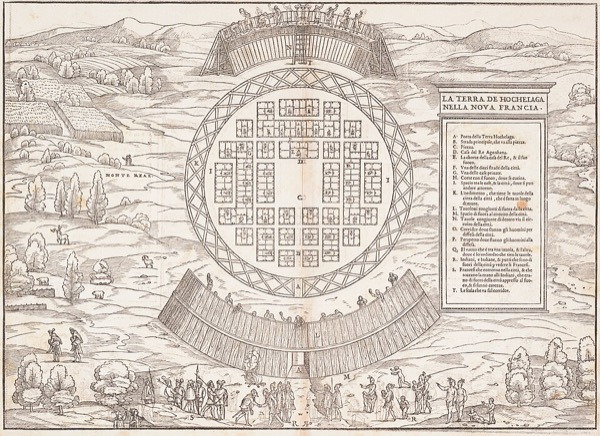
Hochelaga, 1535: shell beads used as gold and silver
Attested Little disputed
Open on the mapCartier found that the people of Hochelaga made beads from shell “and use it as we do gold and silver, and hold it the most precious thing in the world”: a century before the earliest sources in the wampum entry.
No state involved
No one's debt
Claims and evidence
Cartier found that the people of Hochelaga made beads from shell “and use it as we do gold and silver, and hold it the most precious thing in the world”: a century before the earliest sources in the wampum entry. Attested Little disputed
“then draw it up and find within the said gashes and incisions the said cornibotz, of which they make bead money and use it as we do gold and silver, and hold it the most precious thing in the world.”
Cartier, Second Voyage (1535-36), in J. P. Baxter, A Memoir of Jacques Cartier (1906), p. 165