An Atlas of Money · All entries
Commonwealth, 1766: tymfs cut to 27 groszy as 'without intrinsic value'; a new złoty of silver
Attested Little disputed
Shaded: Polish–Lithuanian Commonwealth, rough extent c. 1700, after Shepherd, Historical Atlas, 1926, pp. 130–131 (public domain). It shows the state’s lands, not how far this money went.
Open on the map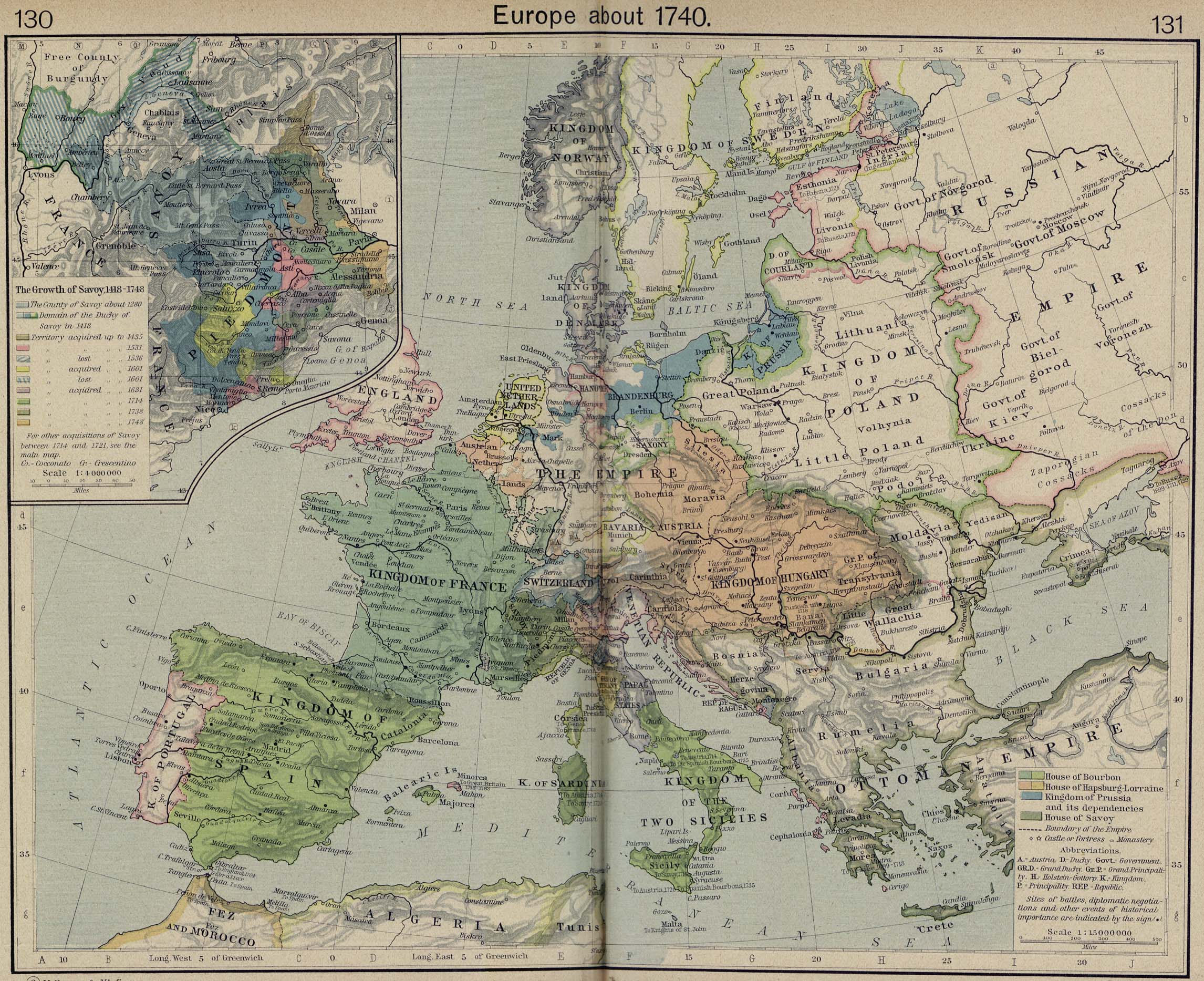
Stanisław August's Sejm of 1766 gave its own history of the coin: in 1654 the Commonwealth began 'to seek more public revenue from debasing the coin'. Because few tymfs and szóstaks were struck for want of silver, good Spanish and Dutch thalers flowed in from foreign trade and long kept gold and silver in balance. Then worse foreign coin drove out the good, until 'bad and ever worse coin flooded the whole country'. The law struck 80 four-groszy pieces from a Cologne mark of fine silver and named each one a złoty (30 new copper groszy). It reduced old tymfs to 27 copper groszy and szóstaks to 10, 'since this coin too has no intrinsic value', and ordered foreign coins withdrawn from September 1767.
State-issued
No one's debt
Silver coin · Base-metal coin · Ducat
Claims and evidence
The 1766 constitution dates the debasement to 1654, records the inflow of Spanish and Dutch silver from trade, describes bad foreign coin driving out good, sets a new złoty of 80 to the Cologne mark fine, and cuts the tymf to 27 groszy for lack of intrinsic value. Attested Little disputed
“gdy Rzeczpospolita w pośrzod woiennych ciężarow, z upodlenia monety pomnożenia dochodow publicznych w roku 1654 szukać zaczęła”when the Commonwealth, amid the burdens of war, began in 1654 to seek an increase of public revenue from debasing the coin (translation for the atlas)
Volumina Legum (St Petersburg: J. Ohryzko, 1859-60), reprint of the Piarist edition (Warsaw, 1732-82), vol. VII, constitution of 1766, 'Ustawa waloru y kursu monet', vol. VII, p. 198 (fol. 449)“wielka za czasem liczba dobrey postronney monety w talarach, pułtalarkach, y cwiartkach Hiszpańskich y Holenderskich z handlu zagranicznego w kray nasz napłynęła”in time a great quantity of good foreign coin, in Spanish and Dutch thalers, half-thalers and quarters, flowed into our country from foreign trade (translation for the atlas)
Volumina Legum (St Petersburg: J. Ohryzko, 1859-60), reprint of the Piarist edition (Warsaw, 1732-82), vol. VII, constitution of 1766, vol. VII, p. 198 (fol. 449)“dopomogł do wykupienia ostatka dobrey monety y znaczney części złota, tak dalece: że zła a coraz gorsza moneta gwałtownym wylewem kray cały napełniła”helped to buy up the rest of the good coin and much of the gold, so far that bad and ever worse coin filled the whole country in a violent flood (translation for the atlas)
Volumina Legum (St Petersburg: J. Ohryzko, 1859-60), reprint of the Piarist edition (Warsaw, 1732-82), vol. VII, constitution of 1766, vol. VII, p. 198 (fol. 450)“aby w mennicach naszych z grzywny Kolońskiey feynu po ośmdziesiąt bito czterogroszowek, ktorym to czterogroszowkom odtąd imię złotego naznaczamy”that in our mints eighty four-groszy pieces be struck from a Cologne mark of fine silver, to which four-groszy pieces we henceforth give the name of złoty (translation for the atlas)
Volumina Legum (St Petersburg: J. Ohryzko, 1859-60), reprint of the Piarist edition (Warsaw, 1732-82), vol. VII, constitution of 1766, vol. VII, p. 199 (fol. 451)“iż y ta moneta waloru wnętrznego nie ma”since this coin too has no intrinsic value [...] we therefore reduce the old Polish tymfs to twenty-seven new copper groszy, and szóstaks to ten groszy (translation for the atlas)
Volumina Legum (St Petersburg: J. Ohryzko, 1859-60), reprint of the Piarist edition (Warsaw, 1732-82), vol. VII, constitution of 1766, vol. VII, p. 199 (fol. 452)“przeto tynfy stare Polskie do groszy nowych miedzianych dwudziestu siedmiu, a szostaki do groszy dziesiąciu redukuiemy”since this coin too has no intrinsic value [...] we therefore reduce the old Polish tymfs to twenty-seven new copper groszy, and szóstaks to ten groszy (translation for the atlas)
Volumina Legum (St Petersburg: J. Ohryzko, 1859-60), reprint of the Piarist edition (Warsaw, 1732-82), vol. VII, constitution of 1766, vol. VII, p. 199 (fol. 452)
Keep exploring
Same money
- Siberian coin: a copper coinage current only in Siberia
- Edo, 1695–1860: the koban from 15 g of gold to 2 g — recoinage for revenue, one restoration, and a 100-mon coin worth 5½
- Bermuda: war certificates of 1761 and Boulton's coppers of 1793
- Bermuda: dodging Queen Anne's Proclamation, pistareens by consent, sterling in 1842
- Buton: woven cloth squares as small change, 1612–1863
Same region, same era
- Poland, 1496–1766: the gold złoty fixed at 30 groszy, then priced ever higher in groszy
- Hamburger Bank (mark banco)
- Banco Publico, Nuremberg
- Sweden, 1644–1776: copper plate money, too heavy to carry
- Banco del Giro, Venice: state debt as bank money